
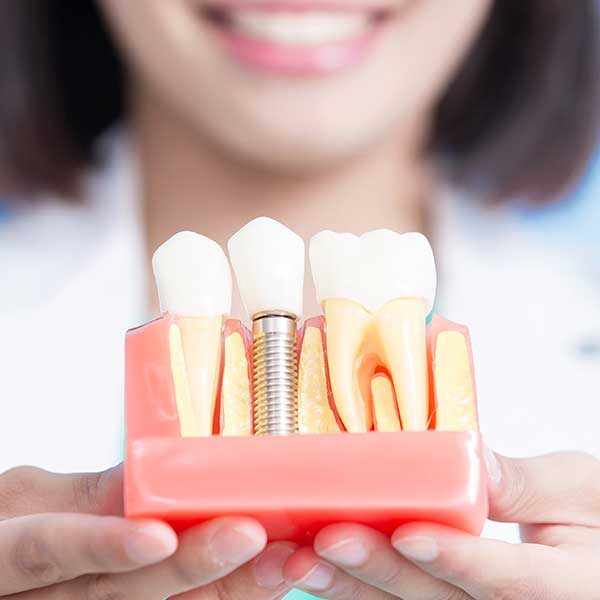
Dealing with a damaged or missing tooth is tough enough. Then comes the search for the right person to fix it. If you’re considering a dental implant in Houston, you know this isn’t a job for just any dentist. You need a true expert. This is where a dental implants specialist comes in. An implant specialist dentist has advanced training and focuses specifically on giving you a strong, natural-looking smile that lasts. But how do you find the right one? Don’t worry, I’ve got you. This guide will give you the essential tips to choose the best dental implant specialist with confidence.
Foremost, dental implant dentists aren’t required to acquire any special training to be able to perform dental implant in Houston. As a result, some dental implant dentists may be inexperienced or less experienced in dental implant procedures and are more prone to make serious mistakes.
Does this sound scary? You need not worry, this article will help you to understand how to find a dental implant specialist who would give you functioning teeth as well as a beautiful smile.
Note that dental implant Houston is significantly different from other traditional dental procedures like the dental crown, dental bridge, dental fillings, and root canal therapy. Unlike these traditional dental procedures, dental implant Houston requires both surgical and restorative expertise of the dentist. It often requires that the dentist undergo extensive dental training in addition to the traditional dental school programs.
But because of the lack of restrictions or special training for the licensed dental implant dentists before placing the dental implants, most dental implant dentists out there vary in their level of experience, there training on dental implant procedures, their ability to perform the procedure and their materials. As a result, it may be difficult to determine the level of knowledge of any particular dental implant dentist.
To help you choose the best dental implant specialist, here is a list of questions you should ask a dental implant dentist prior to entrusting your dental implant procedure to them. Not that when you pay for a dental implant procedure, you are not just paying for the implant, you are as well paying for the training of the best implant dentist and the expertise to insert the implant properly.
Ask For Their Previous Work
Every professional dental implant specialist should have a proven track record. So, when you visit a dental implant dentist, ask for their previous works and evaluate the quality. Ask for the before and after photos of each dental implant procedure performed by the dentist. Most dentists use stock photos, so evaluate the photos carefully for authenticity.
Also, ask if the dentist use sedation dentistry to calm down anxious patients? Note carefully whether the dentist clearly explains the procedures, any likely side effects, and necessary medications for the dental implant.
More so, go online to read patients’ testimonials and reviews about the dental implant specialist before scheduling your appointment. By doing this, you will be drawing from the overall experience of those patients who had previously encountered the dentist. Positive comments and recommendation from other patients can give you an assurance that your chosen dental implant specialist is adequately trained, while negative comments are red alerts to avoid such dentist.
Call to schedule an appointment at 832-430-1406
BOOK YOUR FREE CONSULTATION
Are They Certified By A Dental Implant Dentist Board?
Some dentists only attended short dental classes, where they were taught how to perform dental implant surgery. Such a short dental class is simply not enough to become the best implant dentist considering the varying dental needs and health risks of patients and the risks involved in the dental implant procedure.
In fact, dental implant procedures are more likely to fail if the dental implant dentist or oral surgeon who handled it is less experienced or had not performed up to about 50 dental implants in total.
Dental implant specialists who are certified by the dental implant board must have spent several hours practicing dental implant procedures on patients and must have completed written examinations before they earned the certification.
Certification from either the American Dental Association (ADA) or American Academy of Implant Dentistry (AAID) signifies that the dental implant specialist is well-trained and knowledgeable. It shows that the dentist had received practical training in a dental school and had written some examinations where he or she was taught how to safely handle problems like dental implant procedures, jawbone deficiencies, and how to tailor dental treatment plans to individual needs.
Ask About Continuing Education Courses
It good that the dental implant specialist had completed dental schools, has a beautiful certificate on the wall and is certified by the dental implant board. However, those are not enough. Ask the dentist if he or she is currently undergoing or has recently completed any continuing education course on dental implant procedures. The best implant dentist must have recently completed a continuing education course on dental implants within a year or two. Remember, you would be the one to benefit the most from an implant specialist who is up to date on recent dental implant procedures, dental medications, treatments, and technologies.
Are They Thorough During Consultation
During the initial consultation, the best implant dentist would do some screenings and take x-rays to determine if you are eligible for a dental implant procedure because not all patients are eligible for the procedure. The dentist should also check your health history as well as test you for healthy and sufficient jawbone, periodontal disease, oral cancer, and other factors.
However, if your initial consultation with the dentist is followed by a very quick dental examination, that’s a red alert showing that such dentist is not qualified.
Are They Using Latest Technology?
Nowadays, dental technology is greatly advancing and dental implant dentist are supposed to follow the trend. The best implant dentist should be using the latest dental technology. For instance, if the dentist is using the latest technology, such as the ICAT machine, he or she would be able to plan your dental implant procedures using 3D imaging. This will not only reduce the treatment time but would also eliminate cutting through your gingivae to find the jawbone. Using the latest dental technology will save you a lot of pain, eliminate follow-up treatments, and cut down your total recovery time.
Why Your Choice of Dentist Matters for Dental Implants
Choosing a dentist for your dental implant procedure is one of the most critical decisions you’ll make for your long-term oral health. Unlike a routine filling or cleaning, placing a dental implant is a surgical procedure that requires a deep understanding of jaw anatomy, bone health, and restorative dentistry. The success of your implant—how it looks, feels, and functions for years to come—is directly tied to the skill and experience of the professional placing it. An improperly placed implant can lead to complications, discomfort, and even failure of the implant itself. That’s why it’s so important to look beyond a general dental practice and find a true specialist who has dedicated their career to the art and science of dental implants. This ensures you’re not just getting a new tooth, but a lasting solution built on a foundation of expertise.
When you invest in a dental implant, you are investing in a permanent part of your body. The right specialist will not only perform the surgery with precision but will also conduct a thorough evaluation beforehand to ensure you are a good candidate. They will assess your bone density, check the health of your gums, and create a personalized treatment plan that addresses your unique needs. This careful planning minimizes risks and sets the stage for a smooth procedure and successful healing. Making an informed choice about your provider gives you the best chance at achieving a beautiful, functional smile that you can feel confident about for the rest of your life.
General Dentist vs. Dental Implant Specialist: What’s the Difference?
It’s easy to assume that any dentist can place an implant, but there’s a significant difference between a general dentist and a dental implant specialist. Understanding this distinction is key to making the right choice for your care. While both are dedicated to your oral health, their training, focus, and experience levels in complex procedures like implant surgery are worlds apart. Think of it like choosing a doctor for a specific medical need; you’d want a cardiologist for a heart issue, not a general practitioner. The same principle applies here. A specialist has the focused knowledge to handle the unique challenges of implant dentistry, from initial planning to final restoration, ensuring a higher standard of care and a more predictable outcome for your new smile.
The Role of a General Dentist
A general dentist is your primary care provider for your teeth. They are experts in handling your routine dental needs, such as checkups, cleanings, fillings, and crowns. They play a vital role in maintaining your overall oral hygiene and are often the first to identify issues that may require more specialized attention. While some general dentists may take weekend courses or short training programs to offer implant services, their primary focus remains on a broad range of dental treatments. They typically do not have the years of additional, intensive training that is dedicated solely to the surgical and restorative aspects of implantology, which can be a critical factor in handling complex cases or unexpected complications.
The Expertise of a Specialist
A dental implant specialist, on the other hand, has completed years of advanced education beyond general dental school. These professionals, such as periodontists, prosthodontists, or oral surgeons, have dedicated an extra two to three years to mastering the complexities of tooth replacement. Their training involves hundreds of hours of hands-on surgical experience, rigorous examinations, and a deep dive into subjects like bone biology and tissue regeneration. This specialized training equips them with the skills to manage every aspect of the implant process with a high degree of precision. They are better prepared to handle challenging cases, such as patients with significant bone loss, and are more adept at achieving results that are not only functional but also aesthetically pleasing.
Understanding the Types of Dental Implant Specialists
When you start your search for an implant provider, you’ll likely come across a few different titles for specialists. The three main types of dental specialists who are extensively trained in placing dental implants are periodontists, prosthodontists, and oral and maxillofacial surgeons. Each of these professionals has completed years of additional training after dental school, focusing on specific areas of dentistry that are crucial for implant success. While they can all place implants, their unique areas of expertise mean they bring different strengths to the table. Knowing the difference can help you feel more confident in the expert you choose to restore your smile, ensuring all aspects of your oral health are considered during the treatment process.
Periodontist
A periodontist is a specialist who focuses on the health of your gums and the jawbone that supports your teeth. Their expertise is in preventing, diagnosing, and treating gum disease and other conditions affecting these foundational structures. This focus makes them exceptionally qualified to place dental implants, as the long-term success of an implant depends entirely on a healthy bone and gum foundation. A periodontist understands precisely how to work with these tissues to ensure the implant integrates properly and remains stable for years to come. They are also the go-to experts for procedures like bone grafting, which may be necessary if you’ve experienced bone loss.
A periodontist is an expert in the gums and bone that support your teeth. At VIP Dental Implants, our team is led by a Board-Certified Periodontist, ensuring your implant has the healthiest possible foundation.
Prosthodontist
A prosthodontist specializes in the restoration and replacement of teeth. They are the architects of your new smile, focusing on creating the final tooth—the crown, bridge, or denture—that attaches to the dental implant. Their advanced training centers on aesthetics, function, and fit, ensuring your replacement teeth look completely natural and allow you to bite and chew comfortably. While some prosthodontists also perform the surgical placement of the implant post, their primary expertise lies in the restorative phase of the treatment. They work meticulously to match the color, shape, and size of your new tooth to your existing teeth, creating a seamless and beautiful result.
Oral and Maxillofacial Surgeon
An oral and maxillofacial surgeon is a specialist with extensive training in surgical procedures involving the face, mouth, and jaw. Their background includes a hospital-based residency, giving them a deep understanding of complex surgical techniques. They are experts in performing difficult tooth extractions, corrective jaw surgery, and, of course, dental implant placement. One of the key advantages of working with an oral surgeon is their qualification to administer all levels of anesthesia, from local anesthetic to IV sedation. This makes them an excellent choice for patients who experience significant dental anxiety and prefer to be sedated during their procedure for a more comfortable experience.
The Advanced Training Behind a Specialist’s Title
The title of “specialist” isn’t just a name; it represents years of dedication, advanced education, and a commitment to mastering a specific area of dentistry. After completing four years of dental school, a future specialist must be accepted into a competitive residency program that lasts an additional two to four years. During this time, they are immersed in their chosen field, whether it’s periodontics, prosthodontics, or oral surgery. This rigorous, full-time training is what separates them from general dentists who may have taken continuing education courses on implants. It provides them with a depth of knowledge and a level of hands-on experience that is essential for handling the complexities of implant surgery and achieving consistently successful outcomes for their patients.
Rigorous Education and Hands-On Experience
To become a board-certified specialist, a dentist must complete thousands of hours of focused training and pass a series of comprehensive written and oral examinations. This process is designed to test their knowledge and clinical skills at the highest level. Their education doesn’t stop there; specialists are committed to lifelong learning, constantly staying updated on the latest research, techniques, and technologies in implant dentistry. This means that when you choose a specialist, you are benefiting from a provider who has a proven track record and is at the forefront of their field. Their extensive hands-on experience allows them to anticipate potential challenges and adapt their approach to ensure the best possible result for every patient.
Expertise in Sedation Dentistry
Feeling anxious about dental procedures is incredibly common, and specialists are uniquely equipped to help you feel comfortable and relaxed. Oral surgeons, in particular, have hospital-based training that makes them experts in administering various forms of sedation safely and effectively. Whether you need mild sedation to take the edge off or deeper IV sedation to sleep through the procedure, a specialist can tailor the approach to your specific needs and anxiety level. This expertise in dental implant sedation ensures your experience is as stress-free as possible, allowing you to get the care you need without fear or discomfort.
Oral surgeons are uniquely qualified to administer all levels of sedation, ensuring your comfort during the procedure.
The Benefits of Choosing a Specialist for Your Implants
When you entrust your smile to a dental implant specialist, you’re gaining more than just a new tooth; you’re accessing a higher level of care that brings numerous benefits. Specialists have a deeper understanding of the entire implant process, from the initial surgical placement to the final aesthetic restoration. This comprehensive knowledge allows them to create results that are not only strong and durable but also look and feel completely natural. Their advanced training means they are better equipped to handle complex situations, such as cases requiring bone grafting or a full mouth reconstruction. Ultimately, choosing a specialist increases the likelihood of a successful, long-lasting outcome and provides peace of mind knowing you are in the most capable hands.
Solutions That Look and Feel Natural
One of the biggest advantages of working with a specialist is their ability to achieve superior aesthetic results. They have a keen eye for detail and a deep understanding of facial aesthetics and smile design. A specialist, particularly a prosthodontist or a periodontist, knows how to shape the gums and position the implant to create a foundation for a crown that emerges from the gumline just like a natural tooth. They work closely with dental labs to craft restorations that perfectly match the color, shape, and translucency of your surrounding teeth. The end result is a replacement tooth that is virtually indistinguishable from your own, allowing you to smile, speak, and eat with renewed confidence.
Protecting Your Jawbone Health
When you lose a tooth, the jawbone in that area begins to shrink due to a lack of stimulation. A dental implant is the only tooth replacement option that can halt this process by fusing with the bone and acting like a natural tooth root. A specialist, especially a periodontist, is an expert in bone health. They can accurately assess the quality and quantity of your jawbone and determine the best course of action. If you’ve already experienced bone loss, they have the surgical skills to perform procedures like bone grafting to rebuild the area, creating a solid foundation for the implant. This focus on bone preservation is crucial for the long-term stability of your implant and the overall health of your jaw.
A Full Range of Implant Solutions
Dental implant specialists are proficient in providing a wide array of implant-based solutions to meet diverse patient needs. Whether you are missing a single tooth, several teeth, or all of your teeth, a specialist can design a treatment plan that is right for you. They have the experience to handle everything from straightforward cases to the most complex reconstructions, ensuring you receive the most effective and appropriate care. This versatility means you won’t have to be referred to different offices for different stages of your treatment; you can receive comprehensive care from a single, highly-trained team.
Single Tooth Replacement
If you are missing just one tooth, a specialist can place a single dental implant topped with a custom-made crown. This is the ideal solution as it doesn’t require altering the adjacent healthy teeth, which is necessary for a traditional dental bridge. A single tooth implant functions independently, making it easy to clean and maintain, and it provides the stimulation needed to keep your jawbone healthy and strong.
Multiple Tooth Replacement
For those missing several teeth in a row, an implant-supported bridge is an excellent option. Instead of replacing each tooth with an individual implant, a specialist can place two implants to support a bridge that spans the gap. This approach provides outstanding stability and function while being more conservative than placing multiple individual implants. We can help you explore the best options for replacing multiple missing teeth during your consultation.
Full Mouth Restoration
If you are missing all or most of your teeth, a specialist can perform a full mouth restoration using implant-supported dentures or bridges. Solutions like the All-on-4® treatment concept use as few as four strategically placed implants to support a full arch of beautiful, non-removable teeth. This can be a life-changing procedure, restoring your ability to eat, speak, and smile with complete confidence and comfort.
The Dental Implant Process with a Specialist
The journey to a new smile with a dental implant specialist is a carefully planned and executed process. From your very first visit, you’ll notice a difference in the level of detail and personalization. A specialist doesn’t take a one-size-fits-all approach. Instead, they use advanced diagnostic tools and their extensive knowledge to create a treatment plan tailored specifically to your anatomy, health, and aesthetic goals. This meticulous process is broken down into distinct phases, each one designed to ensure the safety, comfort, and long-term success of your implant. Understanding these steps can help demystify the procedure and make you feel more prepared and confident as you move forward.
Your Initial Consultation and Planning
Your first appointment is a comprehensive consultation where the specialist will get to know you and your goals. This visit involves a thorough examination of your mouth, including a review of your dental and medical history. A key part of this step is advanced imaging, typically a 3D cone-beam computed tomography (CBCT) scan. This scan provides a detailed, three-dimensional view of your jawbone, nerves, and sinuses, allowing the specialist to plan the precise placement of the implant with incredible accuracy. This detailed planning phase is crucial for avoiding complications and ensuring a predictable and successful surgical outcome.
The Implant Procedure Steps
On the day of your procedure, your comfort is the top priority. The specialist will ensure you are completely numb with local anesthetic, and if you’ve opted for it, sedation will be administered to help you relax. The procedure itself involves making a small incision in the gum tissue to access the jawbone. Using the detailed plan from your CBCT scan as a guide, the specialist will create a space in the bone and carefully place the titanium implant post. Once the implant is securely in place, the gum tissue is closed over it. The entire process is typically efficient and performed with minimal discomfort.
Healing and Attaching Your New Tooth
After the implant is placed, a healing period of several months begins. During this time, a remarkable process called osseointegration occurs, where your jawbone grows around and fuses with the titanium implant, creating an incredibly strong and stable foundation. Once healing is complete, you’ll return to the office for the final step. The specialist will attach a small connector piece called an abutment to the implant, and then your custom-crafted crown, bridge, or denture will be securely attached to the abutment. With your new tooth in place, your smile is fully restored, and you can begin enjoying all the benefits of a strong, beautiful, and permanent solution.
Are You a Candidate for Dental Implants?
While dental implants are a fantastic solution for most people with missing teeth, they aren’t the right choice for everyone. A successful implant requires a certain foundation of health, both in your mouth and in your body overall. A specialist is the best person to determine your candidacy because they can perform a comprehensive evaluation to assess all the relevant factors. They will look beyond just the missing tooth and consider the complete picture of your oral health to ensure that an implant will be a safe and successful long-term solution for you. This thorough assessment is the first and most important step toward restoring your smile with confidence.
What Makes a Good Candidate?
Generally, a good candidate for dental implants is someone in good overall health with healthy gums and sufficient jawbone density to support the implant. It’s important that your gums are free from periodontal disease, as this infection can compromise the success of the implant. You should also be committed to maintaining excellent oral hygiene, including regular brushing, flossing, and dental checkups, to keep your implant and surrounding tissues healthy for years to come. If you meet these basic criteria, there’s a very good chance that dental implants are a viable and effective option for you.
What if I Don’t Have Enough Bone?
It’s common for the jawbone to shrink after a tooth has been missing for a while. If your specialist determines that you don’t have enough bone to securely anchor an implant, it doesn’t automatically disqualify you. Specialists like periodontists are experts in bone regeneration techniques. A procedure called bone grafting can be performed to rebuild the bone in the area, creating the strong foundation needed for a successful implant. This allows many patients who were previously not candidates to move forward with implant treatment.
Health Factors to Discuss with Your Specialist
Your overall health plays a significant role in your ability to heal from surgery and the long-term success of your dental implant. It’s crucial to have an open conversation with your specialist about your complete medical history. Certain conditions, such as uncontrolled diabetes, autoimmune disorders, or a history of radiation therapy to the head and neck, can affect the healing process. Lifestyle factors, like heavy smoking, can also impact the success rate of implants. By discussing these factors upfront, your specialist can create a treatment plan that accounts for your health status and takes the necessary precautions to ensure the best possible outcome.
Call to schedule an appointment at 832-430-1406
BOOK YOUR FREE CONSULTATION
Where Will The Surgery Happen?
It is very important for you to ask where the implant procedure would be performed. Ensure that the dental office or lab is accredited with high ratings. Also, ensure that you visit the dentist’s website to check more information. Look out for information about the dentist’s experience in handling dental implant surgeries (some dentists list their specialty on their website) as well as information about the dental staff and how well they care for their patients.
Final Note
A dental implant procedure is not just a simple cosmetic procedure, it involves a surgical process. So, try as much as possible to carry out extensive research before choosing a dental implant dentist for your dental implant procedure to avoid dental complications.
It requires a little effort to find the best implant dentist. But with the questions provided above and proper research on your part, you should have a better chance of getting a dental implant specialist who is right for you.
If you would like to schedule a complimentary consultation to find out if dental implant Houston is good for you, contact us today.
Frequently Asked Questions
My regular dentist offers implants. Why should I see a specialist instead? Think of it this way: your general dentist is like your primary care doctor. They’re fantastic for your overall oral health, but a dental implant is a surgical procedure. A specialist, like a periodontist or oral surgeon, has completed years of additional, full-time training focused specifically on the surgery, bone health, and gum tissue management that are critical for an implant’s success. They handle these complex cases every day, which gives them a level of experience and precision that is essential for a lasting, natural-looking result.
I’m very anxious about dental surgery. What are my options for comfort? Feeling nervous is completely normal, and it’s something specialists are very well-equipped to handle. Because of their advanced training, many specialists are certified to provide different levels of sedation. This goes beyond what a typical dental office might offer. You can discuss options ranging from medication that helps you relax to IV sedation, which allows you to rest comfortably through the entire procedure. A true specialist will prioritize your comfort and safety, ensuring the experience is as stress-free as possible.
It’s been a long time since I lost my tooth. Can I still get an implant? This is a very common concern, and in most cases, the answer is yes. When a tooth is missing, the jawbone in that spot naturally begins to shrink. However, a specialist can address this. Periodontists, in particular, are experts in rebuilding lost bone through a procedure called bone grafting. This process creates a strong, solid foundation that makes it possible to place an implant securely, even years after a tooth was lost.
What’s the real difference between the types of specialists you mentioned? It helps to think of their specific areas of expertise. A periodontist is an expert on the foundation—the gums and jawbone—which is crucial for the long-term health of an implant. A prosthodontist is the architect of your new tooth, specializing in the final restoration to ensure it looks beautiful and functions perfectly. An oral surgeon has extensive surgical training, making them adept at handling very complex cases and administering all levels of sedation. At a practice like VIP Dental Implants, having a Board-Certified Periodontist means your care starts with the healthiest possible foundation.
How can I be sure a dentist has the right training for implants? Don’t be shy about asking direct questions during your consultation. Ask the dentist about their specific training beyond dental school and if they are board-certified in a specialty like periodontics or oral surgery. You can also ask how many implant procedures they perform and request to see before-and-after photos of their own patients, not stock images. A confident, experienced specialist will be happy to share their credentials and track record with you.
Key Takeaways
- Look beyond a general dental degree: For a procedure as important as an implant, seek out a provider with years of advanced, specialized training. Ask about their board certifications and specific experience with implant surgery to ensure you’re in the hands of a true expert.
- Match the specialist to your needs: A periodontist is an expert on your gum and bone foundation, a prosthodontist focuses on the final tooth’s appearance, and an oral surgeon is ideal for complex cases or if you need sedation. Understanding these roles helps you choose the right professional for your situation.
- A specialist delivers a lasting result: Their deep understanding of bone health, surgical precision, and aesthetics means your implant will look natural, feel comfortable, and protect your jaw for years to come, making it a worthwhile investment in your health.
